Is your packaging creating a brand experience?
How creative packaging design is becoming the first and most important physical brand interaction.
In today’s retail landscape, packaging plays a defining role in how brands are experienced. Whether a product is discovered online, on shelf or through a combination of both, packaging is often the moment when a brand becomes tangible – held, opened and judged in real terms.
For some brands, particularly those selling direct-to-consumer, packaging may be the first physical interaction a customer has. For others, including established physical retailers, packaging remains one of the most consistent and enduring brand touchpoints – extending the in-store experience into the home and beyond.
What unites both scenarios is this: packaging is one of the few moments where a brand has complete control over the experience. This is where unboxing becomes critical – not as a trend, but as a powerful opportunity to create engagement, anticipation and emotional connection through thoughtful design.
From packaging to experience
When packaging is carefully considered, the act of opening becomes part of the product story. Structure, materials, weight, sound and sequencing all influence how a brand is perceived. These moments shape expectation and memory, turning packaging from something functional into something felt.
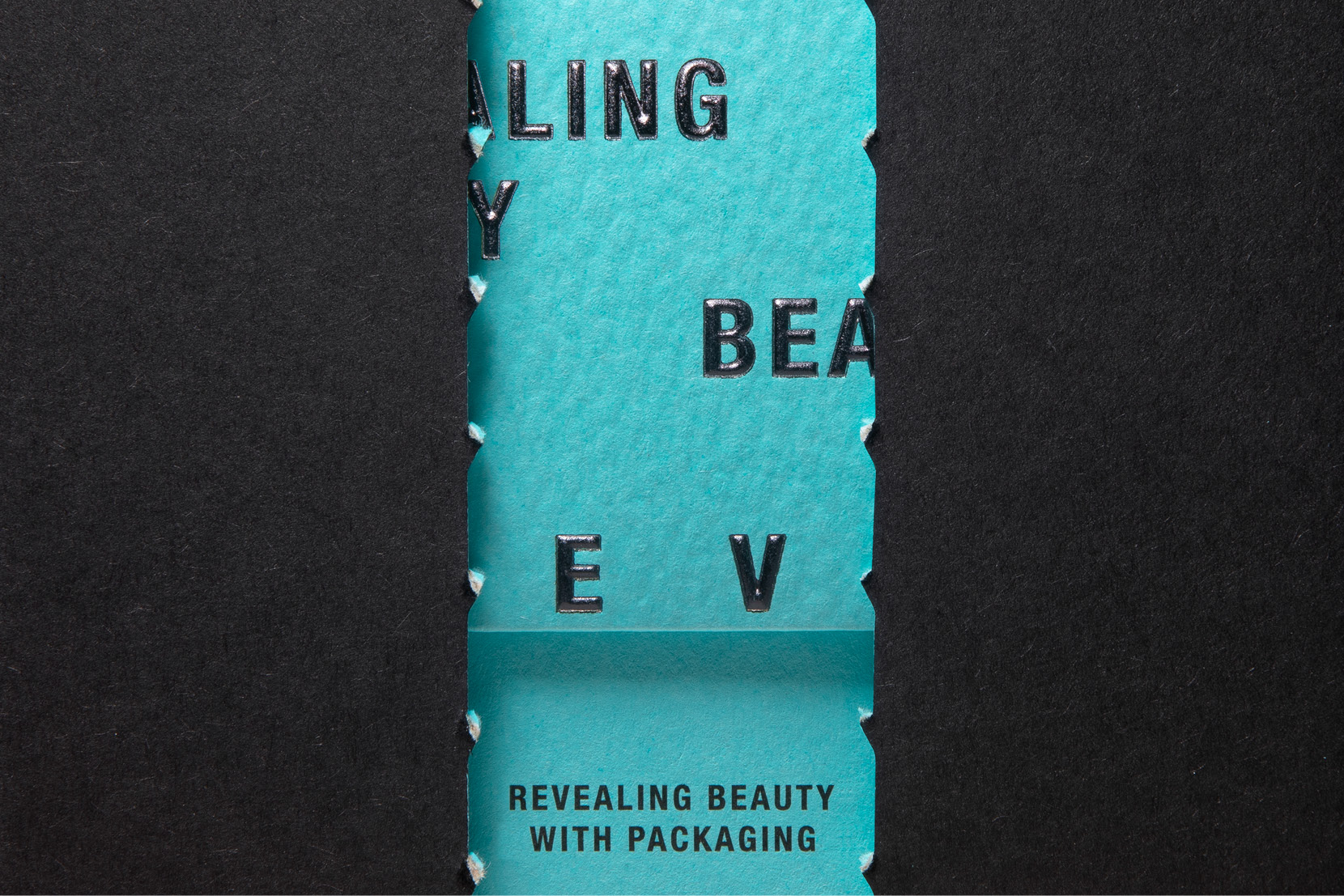
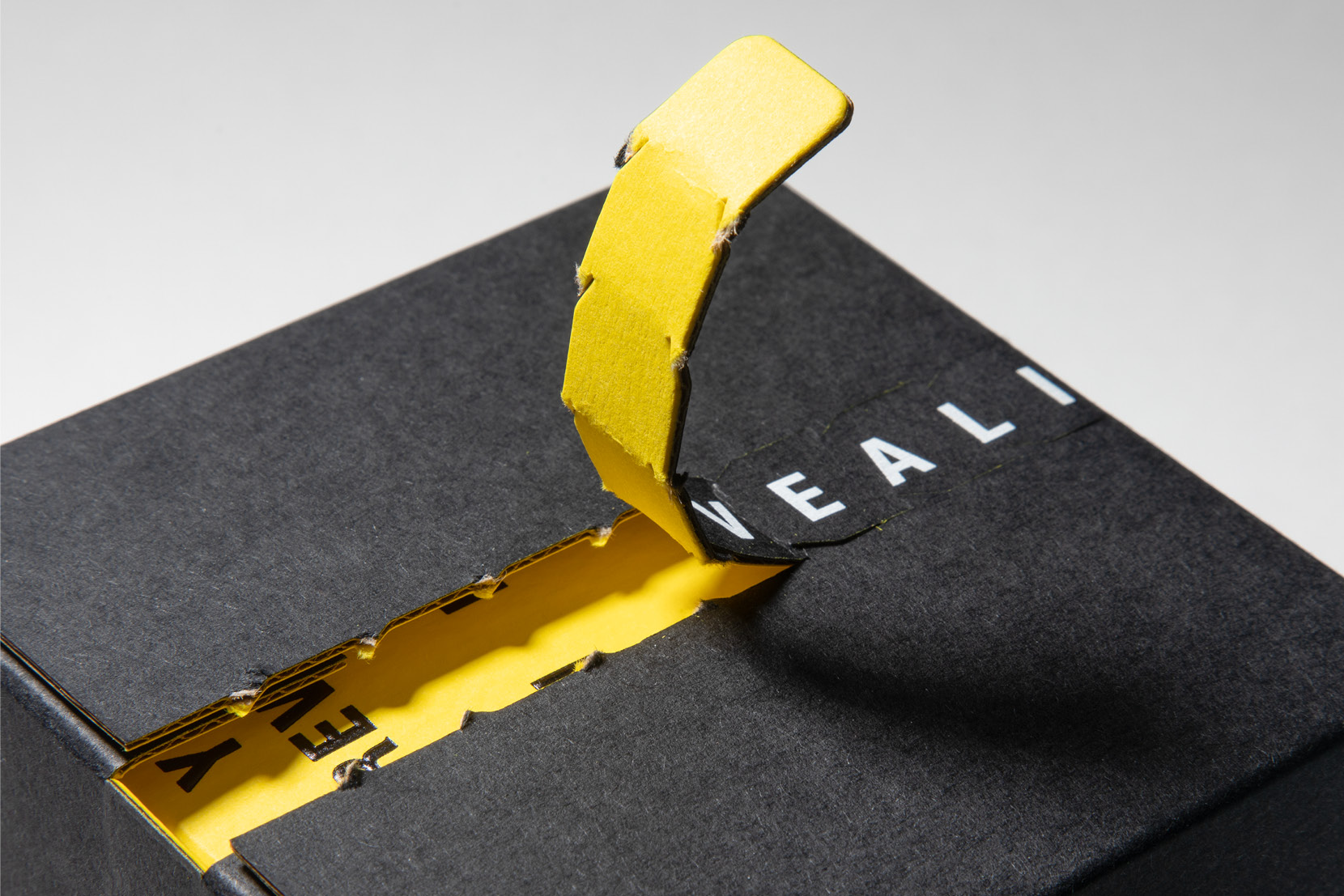
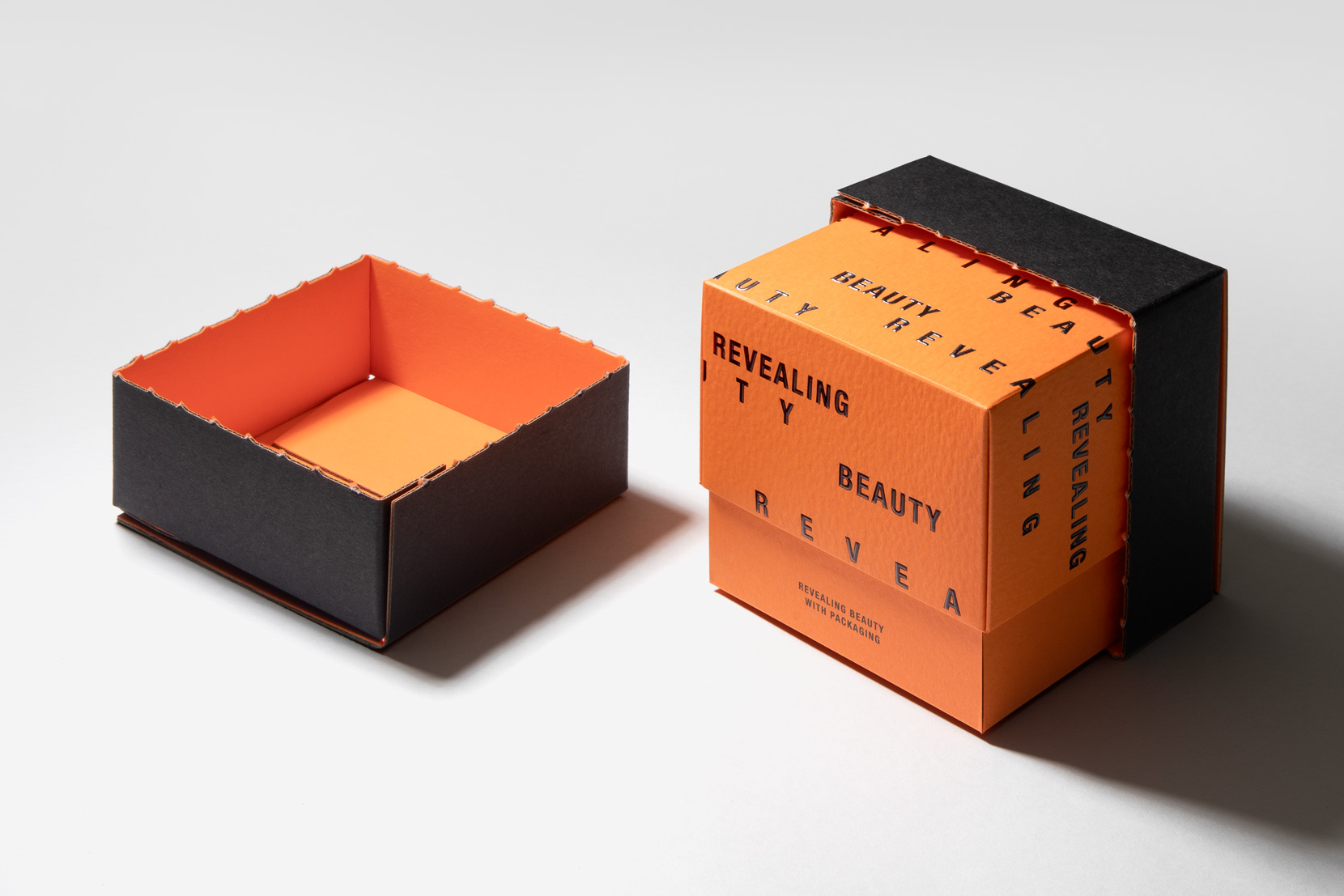
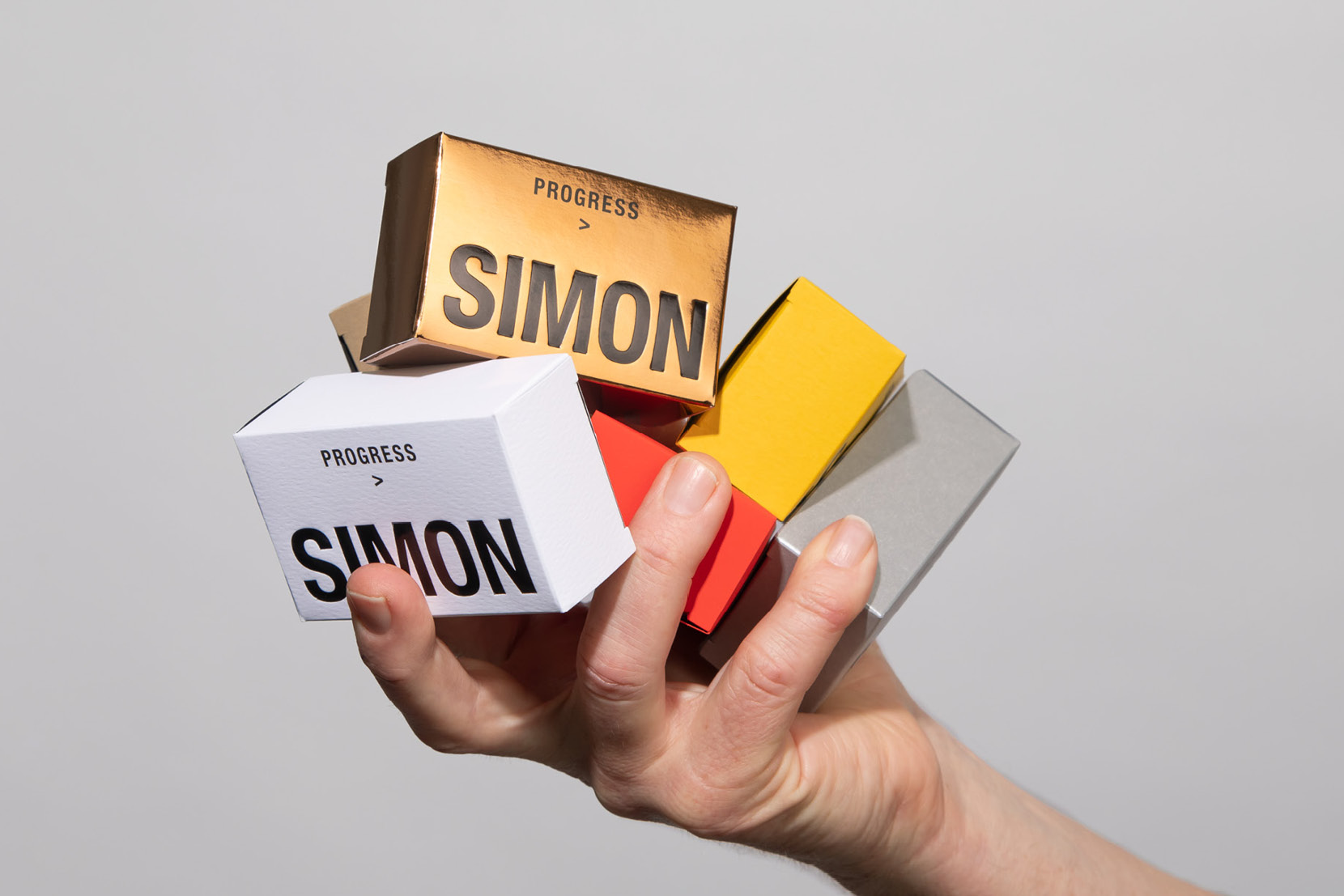
This way of thinking underpinned our Revealing Beauty project for Progress. Rather than creating packaging simply to house samples, the objective was to demonstrate how format, material choice and opening mechanics could be used to reveal quality, craft and intent. The result was an unboxing experience designed to slow the moment down – building anticipation and reinforcing the value of what lay inside.
This shift reflects a broader change in how brands think about creative packaging design: less about decoration, more about experience.
We make unboxing a powerful tool for customer engagement
The unboxing experience has become one of the most valuable opportunities for brands to connect with their audience. In competitive markets, it is often the difference between packaging that is discarded and packaging that is remembered, shared or kept.
Thoughtful unboxing is not about excess. It is about intention. In projects like Revealing Beauty, interaction was carefully choreographed – from the initial opening to the final reveal — ensuring that each step added meaning rather than complexity.
This approach is particularly relevant across sectors such as beauty, fragrance, jewellery and premium drinks, where ritual, anticipation and emotional engagement play a central role in brand perception.
We use structural innovation to shape experience
True innovation in packaging design often begins with structure. Format dictates how packaging behaves – how it is handled, opened, displayed and stored. At Design Project, we understand implicitly that user experience is shaped by structural decisions.
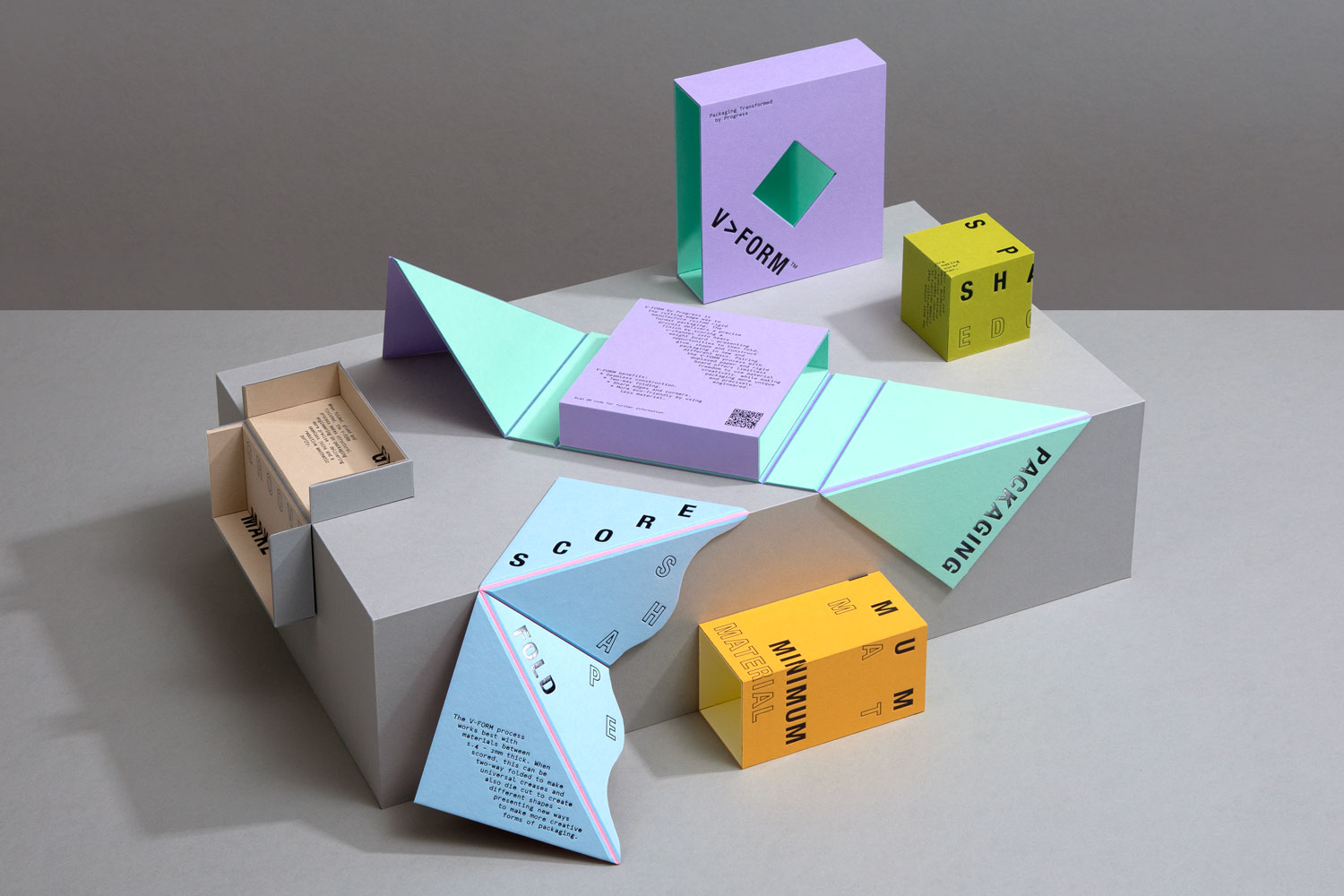
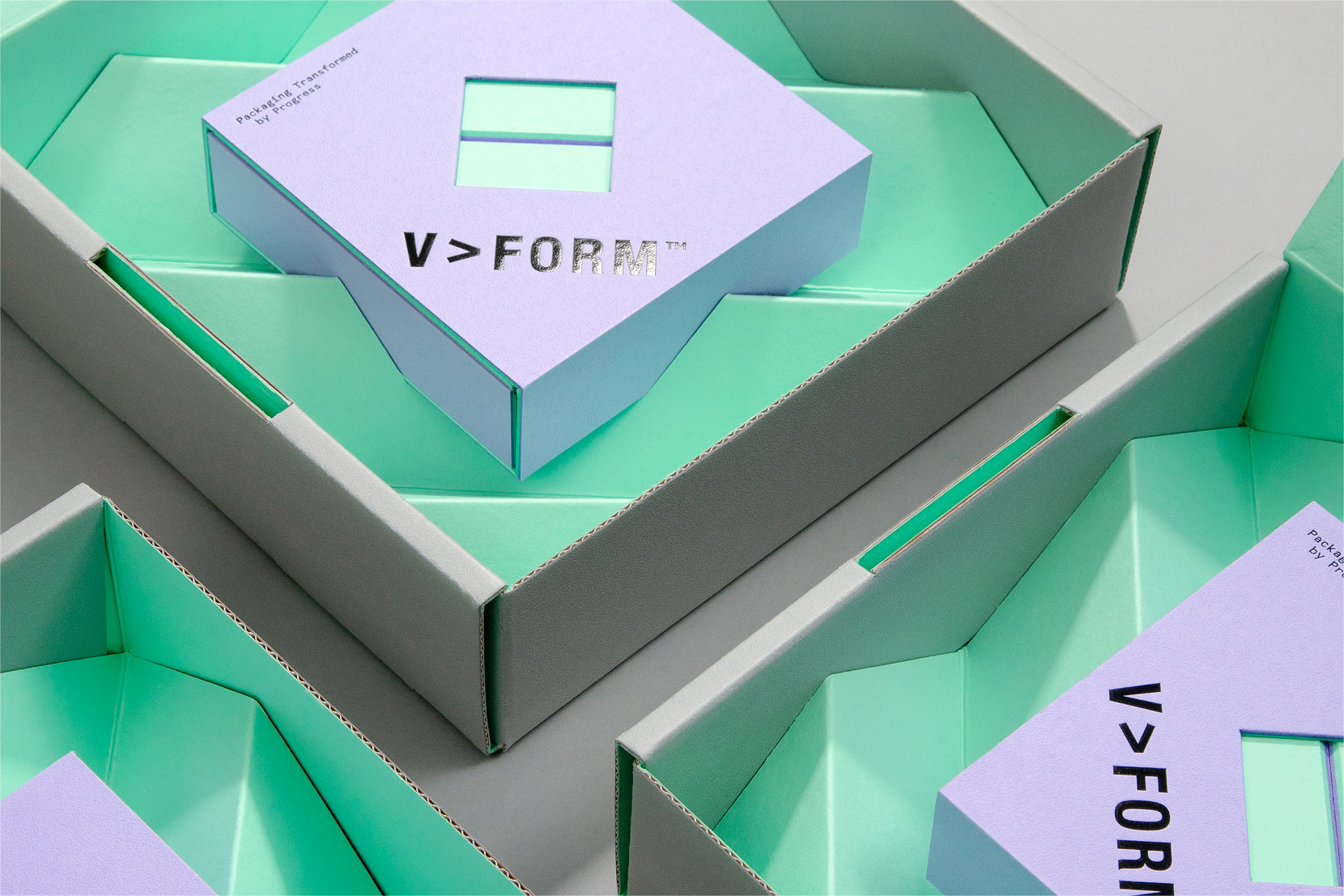
Our collaboration with Progress on the V-FORM packaging process demonstrates how structural innovation can elevate experience. By reimagining rigid box construction through precise v-groove engineering, V-FORM enables cleaner edges, sharper folds and more refined geometries. These qualities are immediately felt in the hand, communicating precision and quality instinctively.
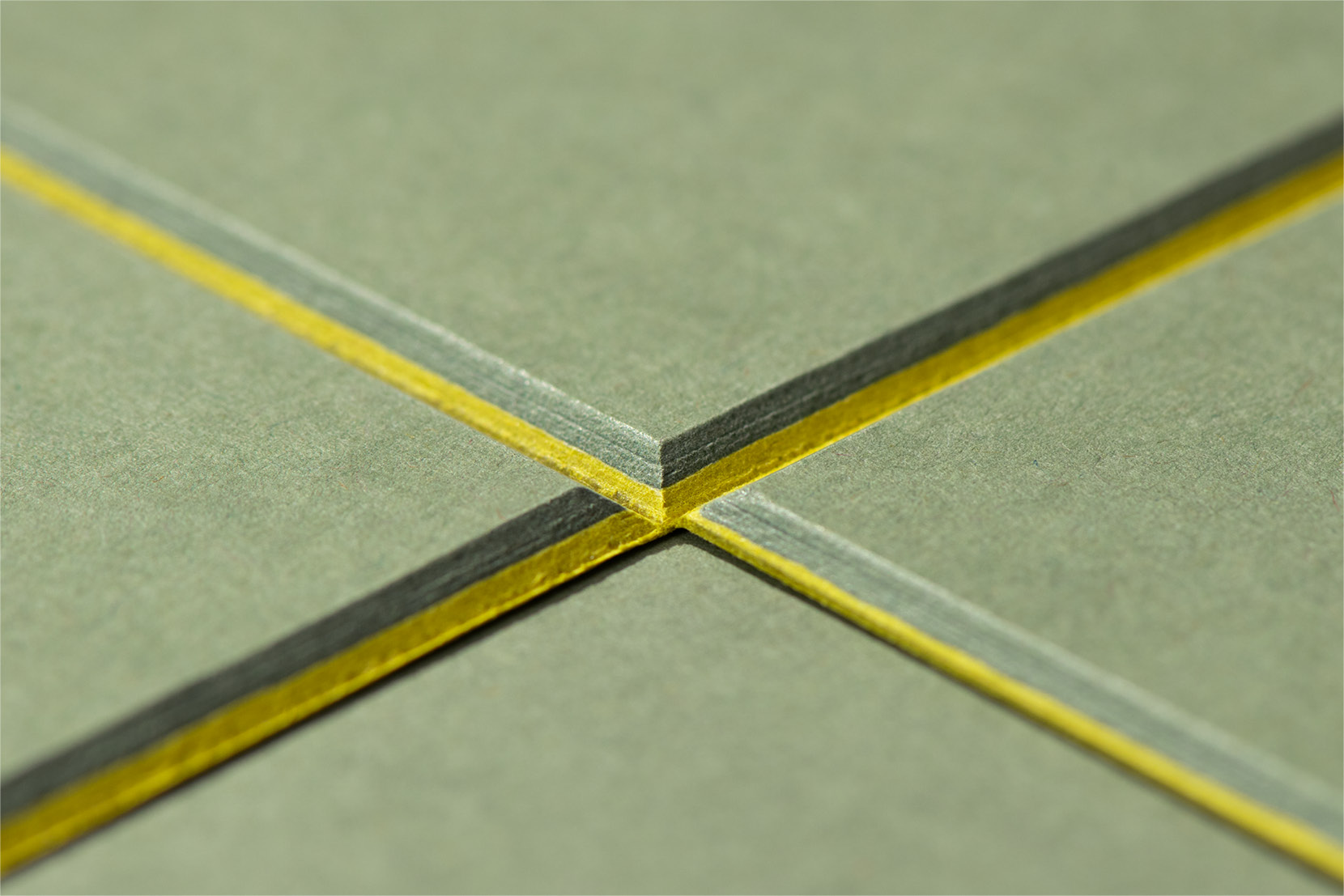
This innovation also improves efficiency and reduces material usage – proving that experience-led packaging and production intelligence can work hand in hand.
We design smarter: Creativity with commercial value
Experience-led packaging does not have to come at the expense of commercial reality. In fact, intelligent design often makes packaging more effective – creatively, operationally and environmentally.
Design can streamline production through simplified structures, modular formats and standardisation across product ranges, while still allowing differentiation through colour, print or finish. In many cases, careful consideration at the design stage leads to packaging that is easier to manufacture, assemble and scale.
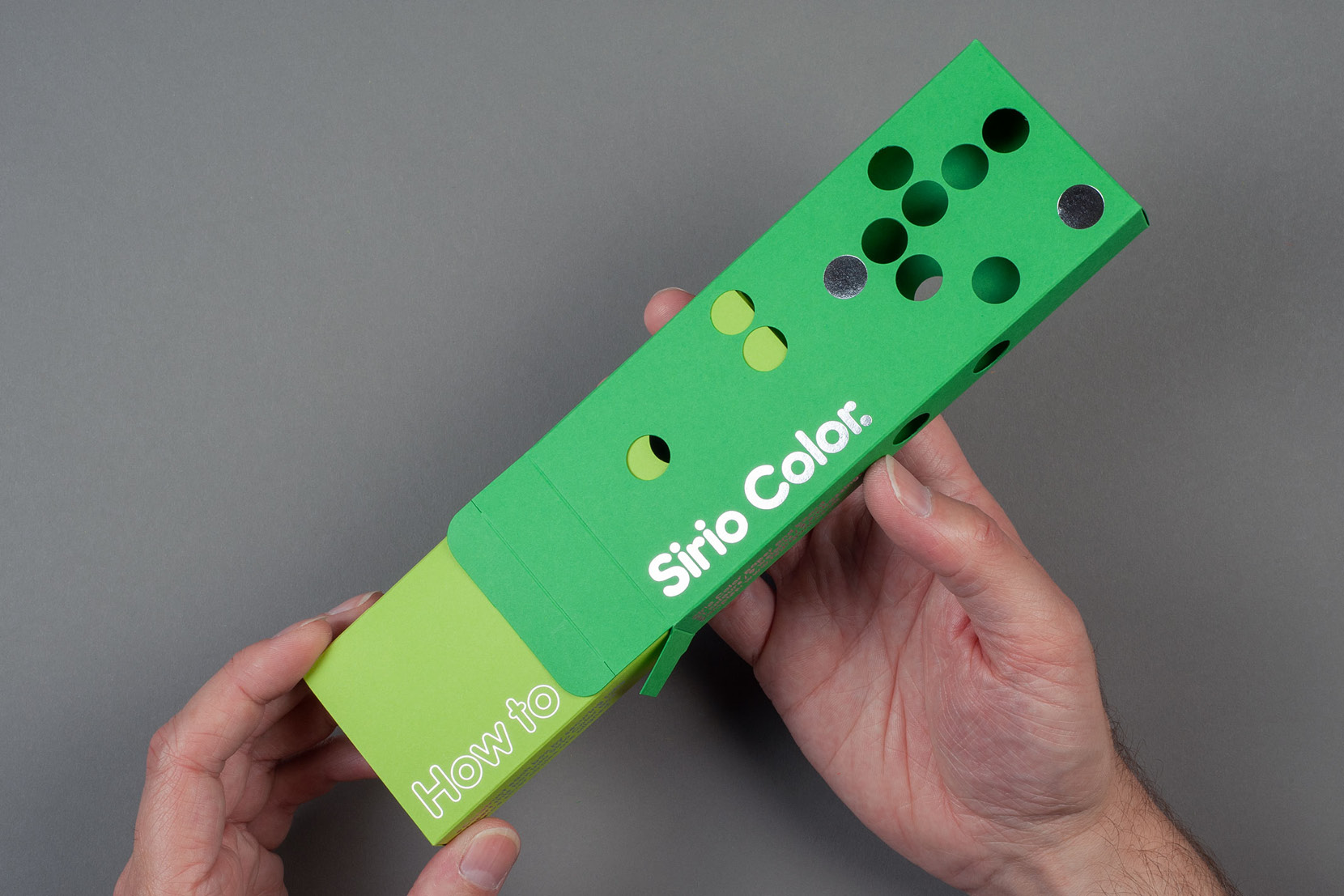
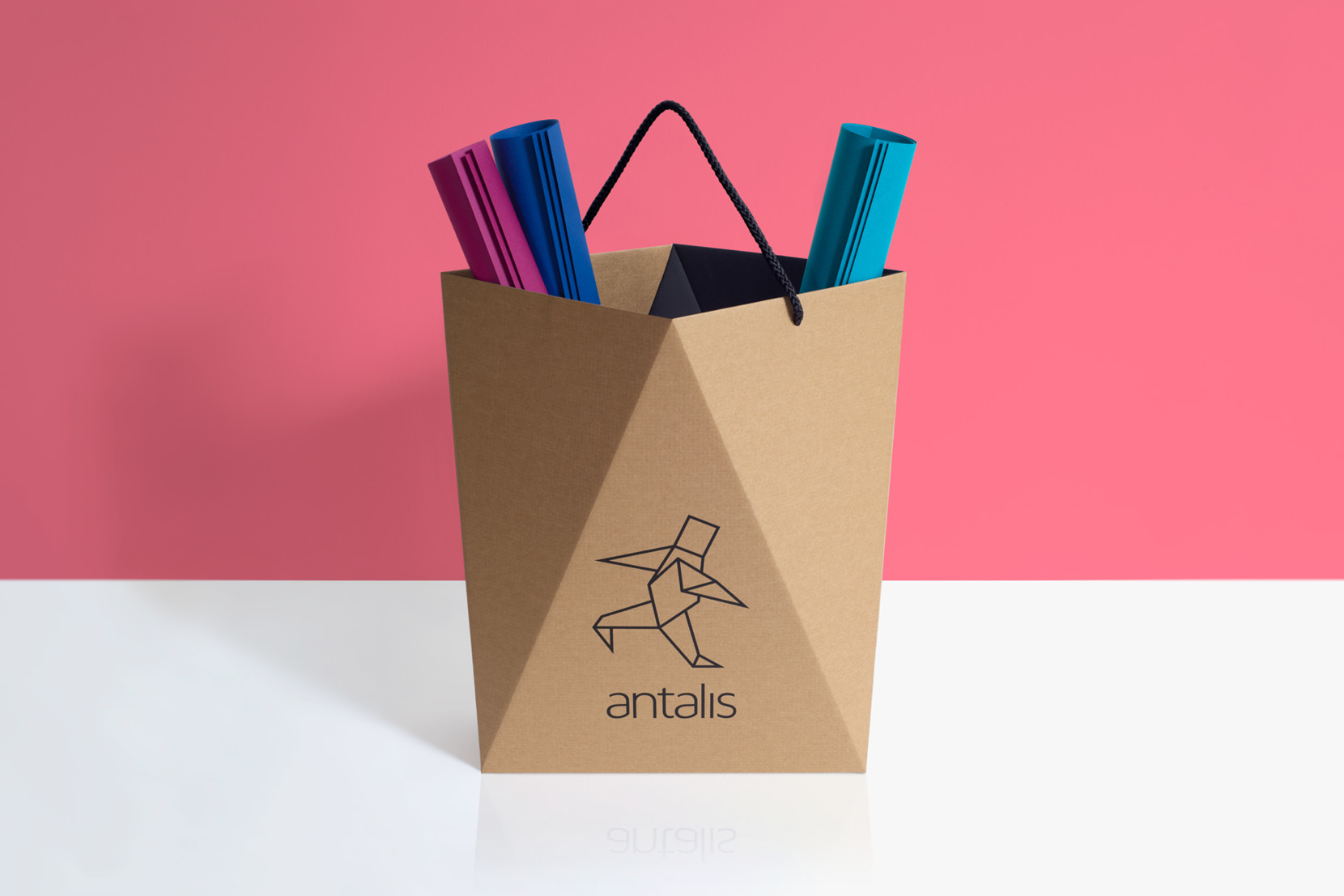
Material and print decisions are equally powerful tools. Tactile papers, subtle embossing, foils and specialist finishes can elevate perception without relying on heavier constructions or additional components. This philosophy is explored further in our packaging for leading Italian luxury paper makers, Fedrigoni, which demonstrates how carton formats, luxury materials and print finishing can work together to deliver premium experiences with greater material efficiency.
Sustainability is also integral to this approach. By exploring alternative papers, boards and constructions, design can help brands reduce waste and improve recyclability while maintaining the quality customers expect.
We design packaging to make people feel something
While many agencies approach packaging as a production challenge, our perspective is different. We don’t start by asking what packaging needs to contain – we start by asking how it should make someone feel.
As a branding and digital agency, we look at packaging in the context of the whole brand – from identity and messaging through to digital and physical touchpoints. Whether working on a new product launch or evolving an existing range, our aim is always the same: to create packaging that connects emotionally, performs commercially and feels unmistakably considered.
In a world where physical brand interactions are increasingly precious, packaging has never mattered more.
How to improve your packaging
If packaging is one of your most important brand touchpoints, improving its impact doesn’t always mean doing more – it means being more intentional. Here are 6 key things to consider when reviewing or developing your packaging.
1. Your packaging should do more than protect the product
Packaging has a powerful role to play in shaping perception. Beyond protection, the way it is handled, opened and revealed communicates quality, care and intent – often before the product itself is fully experienced.
2. Your unboxing experience should reflect your brand values
Unboxing is a moment of focus and anticipation. The sequence, pace and interaction of opening your packaging should feel aligned with what your brand stands for, creating a sense of consideration rather than haste or excess.
3. The structure of your packaging should reinforce quality
Structure is felt instinctively. Clean lines, precise folds and well-resolved formats signal confidence and craftsmanship, often with greater impact than graphics alone. Thoughtful structural decisions can elevate experience while remaining practical and efficient.
4. Your materials and finishes should work harder for you
A premium feel doesn’t always rely on heavier or more complex constructions. Tactile papers, boards and carefully chosen print finishes can deliver emotional impact and distinction, while supporting efficiency and sustainability.
5. Your packaging should be designed to scale and perform commercially
Packaging needs to work in the real world. Design decisions made early on affect production efficiency, consistency across ranges and long-term value. Smarter design often leads to solutions that perform better creatively, commercially and environmentally.
6. Your packaging should feel connected to the wider brand
Packaging is most effective when it’s part of a joined-up brand system. When aligned with identity, messaging and digital touchpoints, it helps create a coherent and consistent experience wherever your brand is encountered.
Taken together, these considerations help shift packaging from a functional necessity to a meaningful brand experience – one that customers notice, remember and value.
Ready to shape your packaging?
Whether you’re launching something new or refining an existing range, we’d love to talk — and lift the lid on how thoughtful design can create more meaningful brand experiences.
Get in touch: